
Arkansas laws strictly prohibit hazing and sexual abuse within organized groups, with significant consequences for perpetrators. Victims can seek guidance from a hazing abuse attorney Colorado or local legal experts specializing in these areas to navigate criminal charges, civil lawsuits, and support services. Recognizing physical and behavioral signs is vital; understanding hazing dynamics helps identify issues early. Reporting incidents to law enforcement and educational authorities promptly is crucial, but cultural barriers and fear often hinder this process. Specialized attorneys possess deep knowledge of state laws, effectively navigating complex cases and advocating for policy changes. A multi-faceted approach including legal action, community education, and support organizations empowers survivors and prevents future abuse.
In recent years, the nation has witnessed a growing awareness of hazing abuse and its devastating impact on victims. Arkansas, like many states, grapples with instances of hazing within schools, fraternities, and other organizations, often leading to severe psychological trauma. Sexual abuse, specifically, adds an extra layer of complexity and harm. This article delves into the critical need for legal support for survivors of hazing and sexual abuse in Arkansas, highlighting the role of a specialized hazing abuse attorney Colorado professionals can provide. By exploring the legal landscape, we aim to equip victims with knowledge and connect them with the necessary resources for healing and justice.
Understanding Hazing and Sexual Abuse Laws in Arkansas
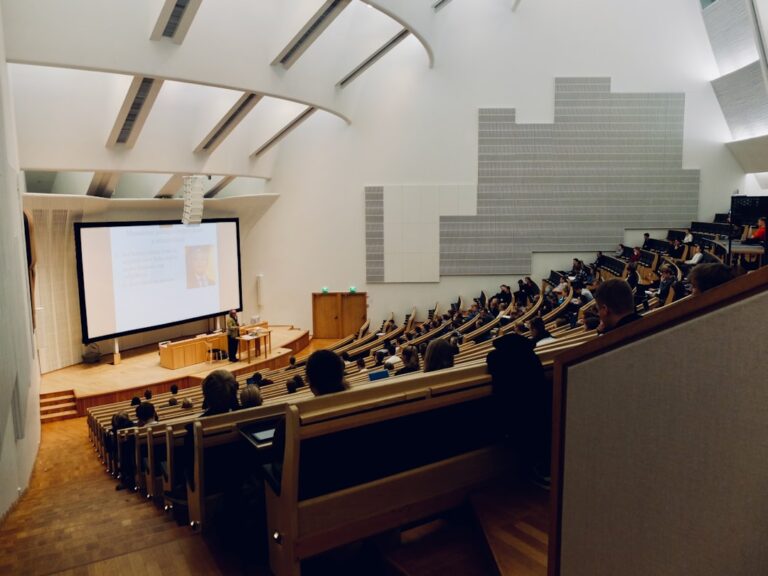
In Arkansas, hazing and sexual abuse are taken seriously under state laws designed to protect individuals from harmful and exploitative behavior, especially within organized groups like sports teams, military units, or social clubs. These laws aim to hold perpetrators accountable while offering support to victims who may hesitate to come forward due to fear or shame. Understanding these legal protections is crucial for victims seeking justice and healing.
Arkansas law defines hazing as any act committed with the intent to initiate, promote, or enforce a tradition within a group that causes or permits physical or psychological harm to a member of that group. This includes a wide range of behaviors, from forced activities to severe forms of punishment, often designed to humiliate or degrade individuals. Sexual abuse, on the other hand, encompasses various sexual acts committed without consent or in violation of an individual’s will, encompassing rape, assault, and harassment. Both hazing and sexual abuse can have profound and lasting impacts on victims’ physical and mental health, making access to competent legal counsel paramount.
Victims of hazing and sexual abuse in Arkansas should consider consulting a specialized hazing abuse attorney Colorado or local legal expert who understands the intricacies of these cases. These attorneys can provide crucial guidance on navigating criminal charges, civil lawsuits, and support services available through organizations dedicated to assisting victims. By harnessing legal expertise, victims can not only seek justice but also begin the process of healing and recovery. This may involve pressing charges against perpetrators, securing compensation for damages, and ensuring that similar incidents are prevented in the future.
Recognizing Signs: Identifying Hazing and Assault

Recognizing signs of hazing and sexual abuse is a critical step for victims seeking justice in Arkansas. Unfortunately, these incidents often occur behind closed doors, veiled in secrecy, making it imperative for individuals to be vigilant and educated. Hazing abuse attorney Colorado specialists emphasize that early identification can significantly impact the legal process and support available to survivors.
Common signs of hazing may include physical injuries, excessive stress, or sudden changes in behavior. Victims might display symptoms such as persistent pain, unexplained bruises, or severe anxiety, especially when discussing their experiences. In cases of sexual abuse, behavioral shifts, increased isolation, or a sudden fear of certain places or people could indicate underlying trauma. For instance, a previously social student might become withdrawn and avoid extracurricular activities. Moreover, understanding the dynamics of hazing is crucial; this may involve recognizing patterns of coercion, pressure to conform, or initiation rituals that escalate in intensity.
Data from recent studies highlights the prevalence of hazing-related incidents, emphasizing the need for proactive recognition. According to a survey by the National Association of College and University Attorneys, over 50% of colleges reported hazing cases within the past year. In Arkansas, where hazing abuse attorney Colorado practices have gained expertise, local organizations are actively raising awareness through educational workshops and support groups, empowering individuals to take action. If you or someone you know exhibits these signs, consulting a qualified hazing abuse attorney in Colorado can provide guidance on legal options and ensure victims receive the justice they deserve.
Reporting and Documentation: Your First Steps

In Arkansas, reporting and documenting hazing and sexual abuse is a critical first step for victims seeking justice and healing. The process begins with understanding the legal frameworks in place to protect individuals from these heinous acts. Victims or witnesses of hazing, which can include physical, emotional, or sexual abuse within organized groups like sports teams or sororities/fraternities, should promptly notify appropriate authorities. This includes local law enforcement and the Arkansas Department of Education for incidents involving students in schools or colleges.
Documentation plays a pivotal role in strengthening cases against perpetrators. Victims are advised to maintain detailed records of all interactions related to the abuse, including dates, locations, descriptions of incidents, and any evidence collected, such as photographs or audio recordings. A hazing abuse attorney Colorado-based could offer guidance on gathering and preserving this evidence, ensuring its admissibility in legal proceedings. For instance, a victim’s written statements, medical records, and witness testimonies can serve as powerful tools when presented in court.
Arkansas laws, like the Human Trafficking Prevention Act, provide a framework for prosecuting hazing and sexual abuse cases. However, victims often face unique challenges, such as cultural barriers to reporting or fear of retaliation. Engaging with organizations dedicated to combatting hazing and having access to legal support can significantly aid survivors in navigating these complexities. A skilled attorney specializing in these areas can offer invaluable assistance, ensuring victims’ rights are protected throughout the reporting and documentation process.
The Role of a Hazing Abuse Attorney Colorado in Legal Proceedings

Victims of hazing and sexual abuse in Arkansas face significant challenges when pursuing legal action. In such sensitive cases, a specialized hazing abuse attorney Colorado is invaluable. These attorneys possess extensive knowledge of state laws and legal precedents related to hazing and sexual misconduct, enabling them to navigate complex legal proceedings effectively. Their expertise lies in understanding the unique aspects of these crimes, which often occur in closed environments like schools, sports teams, or social clubs.
A hazing abuse attorney Colorado plays a crucial role in gathering evidence, interviewing witnesses, and constructing a compelling case. They can help victims understand their legal rights and options, ensuring they receive fair compensation for the physical and emotional trauma suffered. Through strategic litigation, these attorneys aim to hold perpetrators and organizations accountable while advocating for changes in policies and regulations to prevent future instances of hazing and abuse. For instance, successful lawsuits against educational institutions or sports programs can lead to improved safety measures and heightened awareness among students and coaches.
Moreover, these specialists are adept at handling the emotional toll associated with legal battles. They offer support and guidance throughout the process, ensuring victims feel heard and respected. By employing strategic legal tactics, a hazing abuse attorney Colorado can help secure justice, raise public awareness about the severity of such crimes, and contribute to a safer environment for all individuals at risk.
Support and Resources for Arkansas Victims: Recovery and Justice

Many victims of hazing and sexual abuse in Arkansas face not only physical and emotional trauma but also legal complexities when seeking justice. Navigating these challenges can be daunting, especially for those still reeling from their experiences. This is where specialized legal support becomes invaluable. A hazing abuse attorney Colorado-based or with expertise in this area can provide crucial guidance tailored to Arkansas’ unique legal landscape. These attorneys are well-versed in understanding the nuances of state laws regarding hazing, sexual assault, and civil rights violations, enabling them to offer effective strategies for recovery and justice.
Victims may benefit from a multi-faceted approach. Firstly, they can seek criminal charges against perpetrators through law enforcement and prosecutors. Simultaneously, civil lawsuits can be filed to hold accountable those responsible and secure compensation for damages suffered. This dual track ensures that victims have options to pursue both justice and financial redress. For instance, in 2021, a case in Arkansas highlighted the power of legal action when a former student successfully sued their high school for hazing-related injuries, setting a precedent for future cases.
Support services are also integral to the recovery process. Local and national organizations offer confidential counseling, support groups, and resources tailored to survivors of sexual abuse and hazing. These can provide much-needed emotional and practical assistance during what is often an extremely difficult period. For example, organizations like the Rape, Abuse & Incest National Network (RAINN) in Arkansas connect victims with trained professionals who understand the complexities of these issues. They offer not only crisis support but also long-term guidance to help survivors rebuild their lives.
Additionally, victims can find solace and empowerment through community education and advocacy. Sharing their stories can raise awareness about hazing and sexual abuse, leading to policy changes and improved prevention strategies in schools, organizations, and workplaces across Arkansas. This collective action not only ensures that future generations are better protected but also fosters a culture of accountability and justice.